

Who REALLY Makes Kirkland?
Uncover the surprising truth about your favorite Costco products — what you don’t know could change how you shop

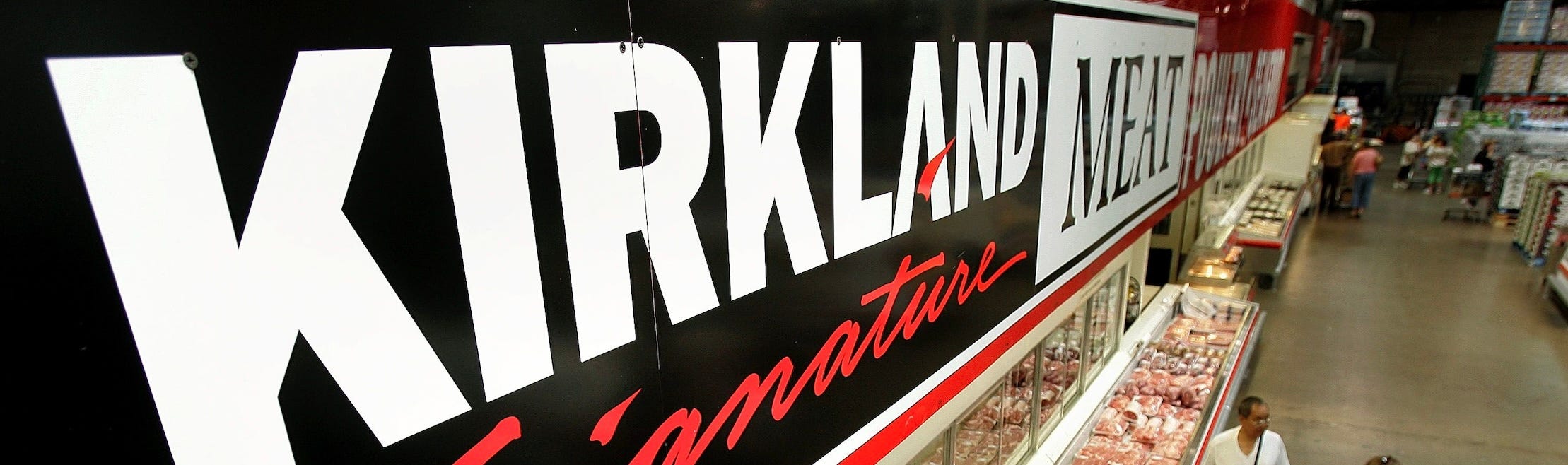
You’ve probably done it yourself — walk into Costco, toss a bunch of its store-brand “Kirkland” products into your cart, thinking you’re just getting the best deal out there. But what if I told you there’s a whole secret world behind the Kirkland name (Costco’s store brand) — a hidden web of deal-making, tough quality standards, and big-brand partnerships most shoppers don’t even know about? So, who really makes Kirkland, and why are some of these products so good — and so affordable? I paid a visit to Costco — and did some digging - to find out.
Want to know more? Let’s take an even deeper look.
Who’s Making Kirkland Products?
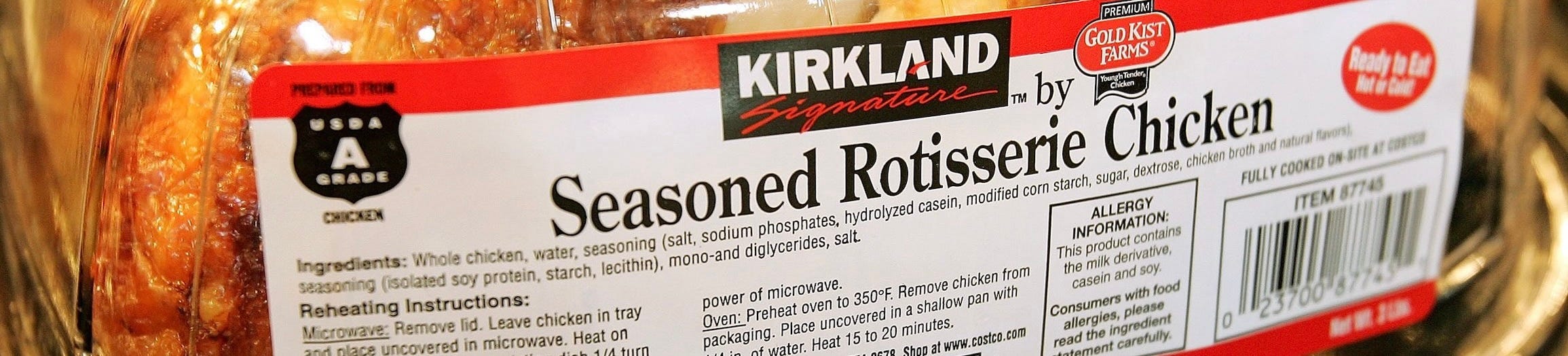
Let’s start with the big question: who’s really behind Kirkland? Turns out, some of your favorite brands are secretly making Kirkland’s best-sellers. Take their coffee, for example — it’s made by Starbucks. Yes, the same Starbucks that charges five bucks for a latte… also making your Kirkland coffee for a fraction of the price. It seems counterintuitive, but it’s all part of a smart business plan: Starbucks gets the best of both worlds, selling premium coffee and their cheaper version. It’s the same story with Kirkland batteries, which come from Duracell; and their tuna, which is actually Bumblebee. Even their baby formula is made by Paraggo, one of the industry’s biggest hidden giants, producing store-brand formulas for tons of major retailers. In fact, Kirkland diapers used to be made by Huggies — but now, they’re made by First Quality, a manufacturer that rarely gets any credit but makes some of the most popular diapers in the country. That’s how Costco keeps prices low while still sticking to quality.
Why Does Kirkland Cost Less?
You might be wondering: how is Kirkland able to keep prices so much lower than name brands? The secret: Costco partners with major manufacturers to white-label their products, buying in huge quantities and cutting out middlemen. That means high-volume production, efficient logistics, and minimal advertising costs. Unlike traditional brands that spend millions on slick marketing campaigns, Costco relies on word of mouth and in-store deals — saving a ton of money. So, by partnering directly with the makers, Costco is able to offer high-quality products at prices that often blow away the competition.
The Quiet World of the Hidden Partners
Here’s the twist: many premium brands prefer not to shout from the rooftops that they’re making Kirkland’s lower-cost versions. They’re worried that consumers might get wise and start buying the cheaper Kirkland instead of their expensive labels.
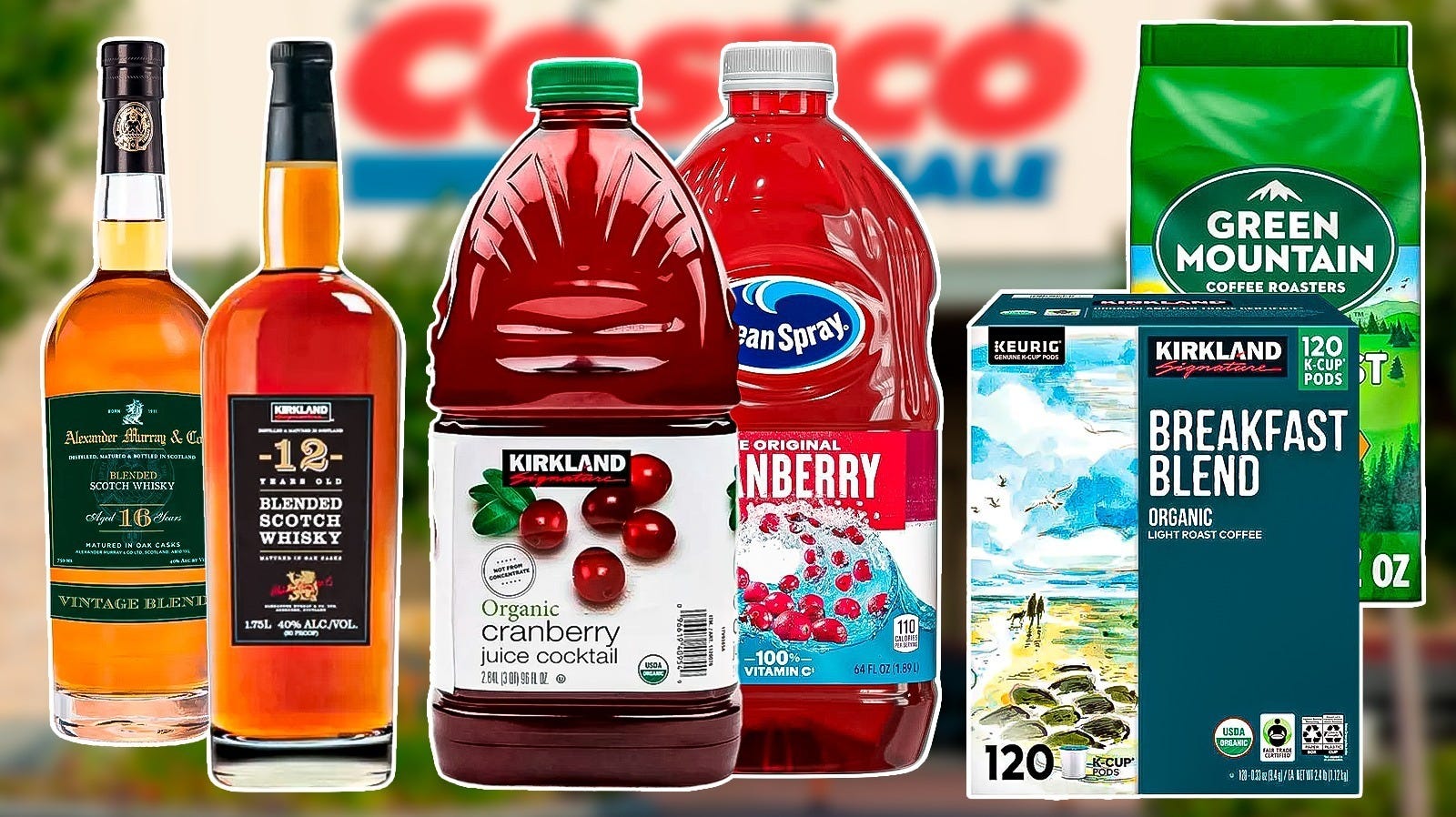
Some brands, however, are proud of it! When you see brands like Ocean Spray or Reynolds collaborating openly with Kirkland, it’s because they’re confident in their partnership. But most choose to stay silent, knowing that if consumers find out the truth, it could hurt their brand cachet. And that’s exactly why Costco keeps these partnerships under wraps — protecting their secret weapons and keeping prices low.
If you’re interested in reading about Kirkland’s notorious “mayonnaise fail,” and how some of the Kirkland productions are genuinely premium — and European — please consider upgrading to a Rossen Reports premium membership. This supports Rossen Reports’ efforts to save you money!